SOURCE – Do you find that writing music for an EP format, as opposed to an album, changes the structure or narrative arc of your songs?
Anders Eek (Drums) – No, not really. I always write from the heart, regardless of format. “Gamalt ljos” is a song we had been working on for some years, and it didn’t really fit on the latest album. Therefore, I asked the label to release it as an EP and include an acoustic version of one of the songs from the Gospel… album as well, making it an EP of almost 30 minutes. Unfortunately, the label was not interested in a physical release, which I had hoped for.
SOURCE – In The Funereal, how did you decide the sequencing of tracks on the EP, and how important is the flow or emotional journey for the listener?
Anders Eek (Drums) – That was quite a challenge, both lyrically and musically. I wanted the three pieces to stand alone as well as be experienced as a whole, and it took its toll cutting the song in the right places—without butchering it. The emotional flow is everything, and by cutting it up, one could, of course, get some breathing space in between.
SOURCE – How did the contributions of Jon Aldara and Stian Kråbøl add layers or textures to the overall sound of the EP?
Anders Eek (Drums) – It was a dream come true to finally get Jon on board. He worked on the song both musically and lyrically for about three years. I persuaded him to write in his native tongue, as I believe it makes the result more genuine and emotional. It definitely adds an original layer to my music.
The same goes for the classical guitars by Stian. He really made an effort to find his own solutions to my metal riffs, and he really nailed it, in my view. We recorded yet another song in this style (“Too Young to Die”), but that version will have to wait for release.
SOURCE – How has the rise of streaming platforms like Spotify changed your perception of what it means to release an album, especially in terms of pacing, song arrangement, and listener retention?
Anders Eek (Drums) – Not much, for me personally. I write as I always have—for myself, really. And if people want to stream it, go ahead. Of course, I always hope people buy physical copies, like I do with bands I am a fan of. But the rising costs are, of course, an issue in all aspects, especially postage and packaging. I must admit I never thought I would release a digital-only album, so I guess even I have to adjust with the times.
SOURCE – After releasing your latest album, Gospel of Bones, what were the first reactions you noticed from fans and critics, and did any of them surprise or challenge your expectations?
Anders Eek (Drums) – Overall, I am very thankful for the really good feedback, both from fans and the media. Some people seemed to have had issues adjusting to the opera baritone vocals, which differ quite a bit from our previous singer’s, although they are much more competent, in my view. It shouldn’t be a surprise to people, though, as I have always been heavily influenced by classical music. Getting a professional opera singer as my vocalist is really a dream come true for me.
SOURCE – In what ways did fan feedback from previous albums influence decisions you made during the production or writing of the latest one?
Anders Eek (Drums) – Not at all. I write from my heart, totally oblivious to what other people think, say, or feel. It’s a bonus if people like it, but I really pay no attention to it.
SOURCE – Finally, what do you hope listeners will feel or take away from the production quality and overall soundscape of The Funereal EP?
Anders Eek (Drums) – I hope they find solace in the journey the EP is meant to be. Maybe they’ll travel away from the troubles of life and the darkness in the world, and appreciate the melancholy we offer.
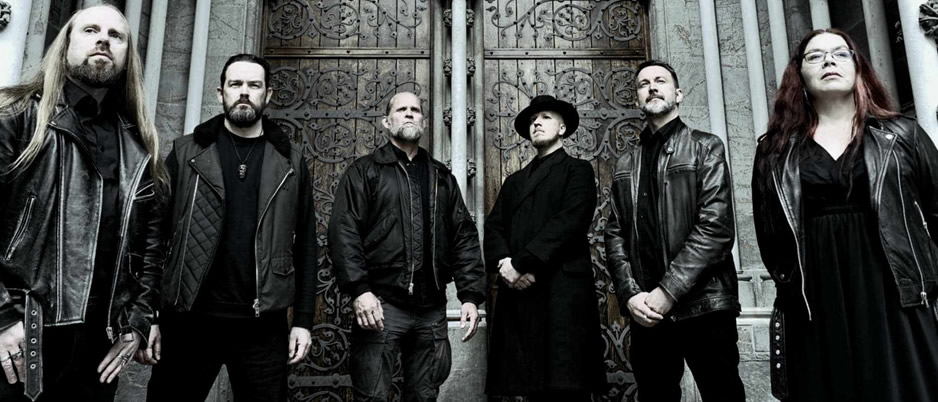
Photo Credit: Andrew A Graves
Contacts:
Video:
NOTE ABOUT IA USE IN THIS DOCUMENT!
This document has been thoroughly reviewed and corrected for spelling, grammar, and syntax errors using advanced AI-driven proofreading tools. The AI system used is designed to analyze and enhance the language of the text, ensuring it adheres to proper English conventions while maintaining the original meaning and tone.
The proofreading process involved identifying and correcting typographical errors, sentence structure issues, and inconsistencies in punctuation. The document has been refined to meet the highest standards of spelling, grammar, and overall readability.